



Most Influential: Hsiao-Wei Wang and Tomasz K. Stańczak Shaping Ethereum’s Next Chapter
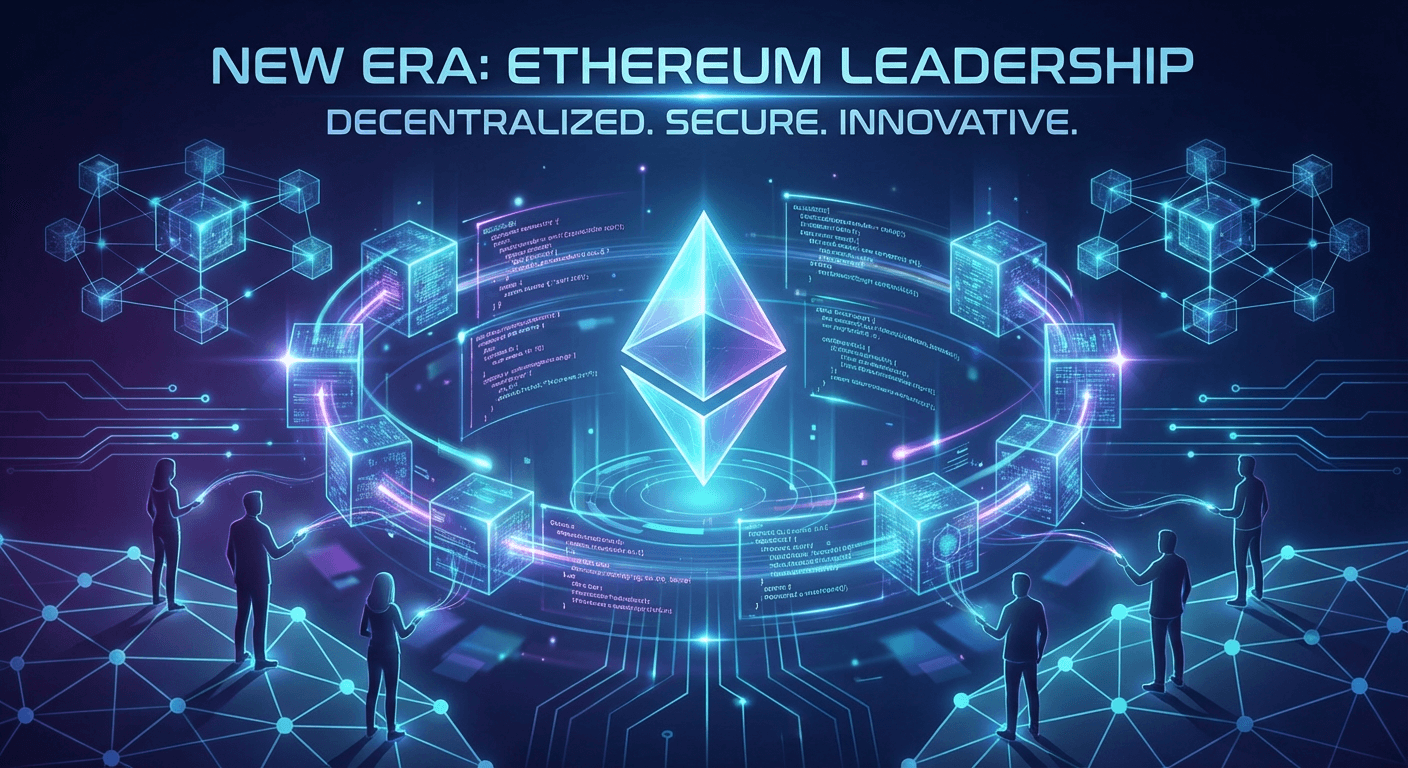
The cryptocurrency and blockchain landscape is in a perpetual state of evolution, driven by relentless innovation, shifting market dynamics, and the vision of influential leaders. At the heart of this dynamic ecosystem stands Ethereum, the world’s second-largest cryptocurrency by market capitalization and the foundational layer for countless decentralized applications. Its trajectory is not just a matter of technological progress but also a testament to the stewardship and strategic direction provided by its guiding entities. A significant development on this front is the emergence of Hsiao-Wei Wang and Tomasz K. Stańczak as key figures within the Ethereum Foundation, poised to usher in what is being described as a “new era” for the network. This transition marks a pivotal moment, signaling potential shifts in focus, acceleration of critical developments, and a renewed emphasis on strengthening Ethereum’s position as the bedrock of Web3 and digital transformation.
For business professionals, entrepreneurs, and seasoned crypto enthusiasts, understanding the implications of such leadership changes is paramount. Ethereum is more than just a digital currency; it is a global, open-source platform enabling programmable money, decentralized finance (DeFi), non-fungible tokens (NFTs), and the broader vision of a decentralized internet. The stewardship of its core development, research, and community engagement falls largely to the Ethereum Foundation. Therefore, the vision and priorities of its leaders directly influence the technical roadmap, security posture, scalability solutions, and ultimately, the utility and adoption of blockchain technology across various industries.
Key Takeaways
- The Ethereum Foundation has appointed Hsiao-Wei Wang and Tomasz K. Stańczak, signaling a “new era” for Ethereum with potential shifts in strategic focus and development acceleration.
- These leadership changes are crucial for understanding Ethereum’s technical roadmap, security, scalability, and broader adoption across various industries and Web3 initiatives.
- Ethereum’s journey, from its 2015 launch and smart contracts innovation to the monumental Proof-of-Stake (PoS) transition (“The Merge”), continues with upcoming upgrades aimed at scalability and decentralization.
- The new leadership is expected to drive advancements in scalability (Layer 2 solutions), smart contract automation, NFTs for enterprise, DAOs, and DeFi, offering significant opportunities for business transformation, efficiency, and financial innovation.
- Challenges include navigating decentralized governance, regulatory complexities, and competition, but the opportunity remains to enhance developer/user experience and champion core decentralization values for mass adoption.
Table of Contents
- The Ethereum Foundation and Its Enduring Mission
- Ethereum’s Evolutionary Journey: A Foundation for the Future
- Connecting Ethereum’s Advancements to Business Transformation
- The Road Ahead: Challenges and Opportunities for the New Era
- FAQ
- Conclusion
The Ethereum Foundation and Its Enduring Mission
Before delving into the specific influence of Wang and Stańczak, it’s crucial to appreciate the role of the Ethereum Foundation. As a non-profit organization, its primary mandate is to support the Ethereum ecosystem, foster its development, and advocate for its decentralization and long-term sustainability. Unlike a traditional corporate entity with a singular CEO, the Foundation operates with a more distributed leadership model, guiding research efforts, funding critical projects, and coordinating the myriad independent development teams and researchers contributing to the network. Their influence is not through direct command but through strategic allocation of resources, setting research priorities, and fostering consensus within the community.
The concept of a “new era” under the guidance of Hsiao-Wei Wang and Tomasz K. Stańczak implies a renewed vigor and potentially a refined strategic focus. This could manifest in several ways: a redoubled effort on specific scalability solutions, an enhanced push for developer tools and user-friendly interfaces, or a stronger emphasis on sustainability and energy efficiency following the monumental shift to Proof-of-Stake (PoS) with The Merge. Each of these directions has profound implications for how businesses can leverage Ethereum for greater efficiency, financial innovation, and operational optimization.
Ethereum’s Evolutionary Journey: A Foundation for the Future
To fully grasp the magnitude of leadership at the Ethereum Foundation, one must contextualize Ethereum’s remarkable journey. Launched in 2015, Ethereum introduced the revolutionary concept of smart contracts—self-executing contracts with the terms of the agreement directly written into code. This innovation transformed blockchain from a mere ledger for transactions into a programmable platform, igniting the DeFi boom, the NFT craze, and the very concept of Web3.
However, rapid growth came with its challenges. The network experienced significant scalability issues, leading to high transaction fees (gas fees) and slower processing times during peak demand. This necessitated a multi-year effort to upgrade the network, culminating in The Merge in September 2022. This transition saw Ethereum move from an energy-intensive Proof-of-Work (PoW) consensus mechanism to the more environmentally friendly and efficient Proof-of-Stake (PoS) model. This was not merely a technical upgrade; it was a testament to the community’s ability to coordinate a global, decentralized upgrade on an unprecedented scale, enhancing Ethereum’s energy efficiency by approximately 99.95%.
The success of The Merge set the stage for subsequent upgrades, collectively known as “The Surge, The Scourge, The Verge, The Purge, and The Splurge.” These phases aim to address remaining scalability challenges through sharding, improve network decentralization, enhance data storage efficiency, and generally optimize the protocol. It is within this ongoing evolutionary context that new leadership takes the helm, tasked with steering these ambitious developments to fruition.
“The transition to Proof-of-Stake was a monumental achievement for Ethereum, proving its resilience and the power of its decentralized governance. Now, the focus shifts to realizing its full potential for scalability and widespread adoption. The clarity of vision from leaders like Wang and Stańczak will be crucial in coordinating the complex technical and community efforts ahead.”
— Dr. Anya Sharma, Lead Blockchain Architect, Nexus Innovations
Connecting Ethereum’s Advancements to Business Transformation
The “new era” under Wang and Stańczak holds particular promise for business professionals seeking to leverage blockchain technology. Ethereum’s continued evolution directly translates into enhanced capabilities for enterprise applications across several critical domains:
Business Efficiency and Operational Optimization
- Scalability Solutions (The Surge): The implementation of sharding and the continued development of Layer 2 scaling solutions (like Arbitrum, Optimism, zkSync, and StarkNet) are at the forefront of Ethereum’s roadmap. These technologies drastically reduce transaction costs and increase transaction throughput. For businesses, this means:
- Reduced Operational Costs: Lower gas fees make micro-transactions viable for supply chain tracking, loyalty programs, and automated payments, where previously high fees were prohibitive.
- Faster Processing: Increased transaction speed allows for near real-time settlement of assets and data, improving efficiency in financial operations, cross-border payments, and B2B settlements.
- Enhanced Throughput for Enterprise Applications: Enterprises can deploy more complex decentralized applications (dApps) on Ethereum, handling a larger volume of user interactions or data points without congestion, crucial for scaling business solutions from digital identity to asset tokenization platforms.
- Smart Contracts for Automation: Ethereum’s core strength, smart contracts, continues to be refined. These self-executing agreements automate processes, reduce the need for intermediaries, and minimize human error.
- Supply Chain Optimization: Automating payments upon delivery, verifying product authenticity, and tracking goods from origin to consumer can significantly streamline supply chain logistics.
- Legal and Compliance: Smart contracts can automate compliance checks, manage intellectual property rights, and execute legal agreements, reducing administrative overhead and speeding up legal processes.
- Tokenization of Real-World Assets (RWAs): Businesses can tokenize real estate, commodities, or even company shares on Ethereum, enabling fractional ownership, enhanced liquidity, and automated dividend distribution or royalty payments.
Digital Transformation and New Business Models
- Non-Fungible Tokens (NFTs) Beyond Art: While often associated with digital art, NFTs are powerful tools for representing unique digital or physical assets.
- Digital Identity and Credentials: Businesses can issue immutable digital credentials, diplomas, and certifications as NFTs, enhancing security and verifiability while empowering users with self-sovereign identity.
- Enhanced Customer Engagement: NFTs can power loyalty programs, exclusive access passes, and personalized digital experiences, fostering deeper customer relationships and creating new revenue streams.
- Gaming and Metaverse Economies: Ethereum is a leading platform for digital ownership in virtual worlds. Businesses can create, manage, and monetize in-game assets, virtual real estate, and digital identities, tapping into emerging metaverse economies.
- Decentralized Autonomous Organizations (DAOs): Ethereum underpins DAOs, which are internet-native organizations collectively owned and managed by their members.
- New Governance Models: Businesses can explore DAO structures for community management, project funding, or even corporate governance, offering transparency and participatory decision-making.
- Crowdfunding and Venture Capital: DAOs offer innovative ways to fund projects and distribute equity or ownership, democratizing access to capital and fostering community-driven investment.
“The real promise of Ethereum in the enterprise lies in its ability to strip away layers of inefficiency and friction. When we talk about operational optimization, we’re talking about tangible cost savings and accelerated business cycles. The progress on Layer 2 solutions, guided by the Foundation, is directly unlocking these benefits for businesses today.”
— Sarah Chen, VP of Digital Strategy, GlobalCorp Innovations
Financial Innovation and Accessibility
- Decentralized Finance (DeFi) Evolution: Ethereum is the birthplace and largest ecosystem for DeFi, which provides open, permissionless financial services.
- Global Financial Inclusion: DeFi enables individuals and businesses worldwide to access lending, borrowing, trading, and insurance services without traditional banking intermediaries, offering new financial opportunities in underserved regions.
- Programmable Money: Stablecoins, often built on Ethereum, provide a digital dollar or euro equivalent, offering fast, low-cost cross-border payments and programmable treasury management solutions for businesses.
- Tokenized Securities and Funds: The ability to tokenize traditional financial instruments on Ethereum creates new avenues for liquidity, fractional ownership, and automated compliance, potentially revolutionizing capital markets.
- Interoperability and Cross-Chain Solutions: As the blockchain ecosystem matures, interoperability between different networks becomes crucial. Ethereum’s robust developer community and foundational status make it a hub for cross-chain innovation.
- Seamless Asset Transfer: Businesses can move assets and data across different blockchains, enabling more flexible and integrated digital strategies.
- Hybrid Solutions: Enterprises can combine the public transparency of Ethereum with the privacy and control of private blockchains, creating hybrid solutions tailored to specific business needs.
“DeFi’s growth on Ethereum is fundamentally reshaping financial services. It’s not just about alternative investments; it’s about building a more transparent, efficient, and accessible global financial infrastructure. The new leadership at the Ethereum Foundation will play a critical role in fostering an environment where this innovation can continue to thrive responsibly.”
— Michael Thorne, Financial Analyst & Author, “The Decentralized Economy”
The Road Ahead: Challenges and Opportunities for the New Era
The “new era” heralded by Hsiao-Wei Wang and Tomasz K. Stańczak is not without its challenges. The decentralized nature of Ethereum means leadership involves consensus-building across a global community of developers, researchers, and stakeholders. Navigating the complexities of protocol upgrades, ensuring robust security, and fostering inclusive growth requires immense diplomatic skill alongside technical acumen.
Furthermore, the regulatory landscape for cryptocurrencies and blockchain technology remains fluid. A proactive and clear stance from the Ethereum Foundation regarding best practices, security standards, and communication with policymakers will be vital in shaping a favorable environment for innovation. The ongoing competition from other Layer 1 blockchains also demands continuous innovation and a compelling vision for Ethereum’s future.
However, the opportunities far outweigh the challenges. With a clear vision and strategic guidance, Wang and Stańczak can accelerate Ethereum’s journey towards mass adoption. This includes:
- Enhancing Developer Experience: Making it even easier for traditional developers to build on Ethereum, lowering the barrier to entry for enterprise integration.
- Improving User Experience: Simplifying interactions with dApps and wallets to attract a broader, non-technical audience.
- Fostering Education and Research: Continuing to fund critical research into cryptography, security, and decentralized governance models.
- Championing Decentralization: Reinforcing Ethereum’s core values of censorship resistance and open access, which are critical for trust in a digital economy.
FAQ
Who are Hsiao-Wei Wang and Tomasz K. Stańczak?
Hsiao-Wei Wang and Tomasz K. Stańczak are emerging as key figures within the Ethereum Foundation, poised to guide the network into a “new era” of development and strategic focus. Their leadership is expected to influence Ethereum’s technical roadmap, scalability solutions, and broader adoption.
What is the Ethereum Foundation’s role?
The Ethereum Foundation is a non-profit organization dedicated to supporting the Ethereum ecosystem, fostering its development, and advocating for its decentralization and long-term sustainability. It guides research, funds critical projects, and coordinates various development teams.
How will the new leadership impact businesses leveraging Ethereum?
The new leadership is expected to accelerate advancements in scalability (Layer 2 solutions), smart contract automation, enterprise NFTs, DAOs, and DeFi. This translates to reduced operational costs, faster processing, enhanced throughput for dApps, and new opportunities for digital transformation and financial innovation for businesses.
What are the upcoming major upgrades for Ethereum after “The Merge”?
After “The Merge” (Proof-of-Stake transition), Ethereum is set for subsequent upgrades collectively known as “The Surge, The Scourge, The Verge, The Purge, and The Splurge.” These aim to address remaining scalability challenges through sharding, improve network decentralization, and optimize the protocol.
Conclusion
The leadership of Hsiao-Wei Wang and Tomasz K. Stańczak at the Ethereum Foundation represents a fresh perspective and renewed energy at a critical juncture for the world’s leading smart contract platform. Their influence will extend far beyond technical specifications, impacting the strategic direction, economic models, and global adoption of decentralized technologies. For business leaders, entrepreneurs, and anyone invested in the future of digital innovation, keeping a close eye on their initiatives and the evolving Ethereum roadmap is not just recommended, it’s essential for navigating the opportunities of the decentralized future. This new era promises to further cement Ethereum’s role as an indispensable engine for digital transformation, financial innovation, and operational excellence in the Web3 landscape.