





The Evolving Landscape of Crypto Mining in 2026
The world of digital assets is in constant flux, and for those looking to participate actively, understanding the nuances of crypto mining in 2026 is paramount. Gone are the days when a simple home PC could yield significant returns. Today, successful crypto mining demands a strategic approach, blending technological savvy with an acute awareness of market dynamics and evolving regulations.
As we look ahead, the industry is maturing, shedding some of its speculative early-day glamour in favor of efficiency, sustainability, and institutional interest. This shift means that only the most adaptable and well-informed miners will thrive. It’s no longer just about raw computational power; it’s about smart power, optimized operations, and a clear vision for long-term profitability.
From Hobby to High-Tech Industry
The journey of crypto mining from a niche hobby to a sophisticated, multi-billion-dollar industry has been rapid and transformative. Early miners often used CPUs, then GPUs, to secure networks and earn rewards. This era was characterized by individual enthusiasts experimenting from their garages, fueled by a nascent understanding of blockchain technology.
However, as cryptocurrencies like Bitcoin gained prominence, the competition intensified dramatically. The introduction of Application-Specific Integrated Circuits (ASICs) revolutionized the game, rendering general-purpose hardware largely obsolete for mining certain coins. These specialized machines deliver unparalleled hashing power per watt, setting a new standard for efficiency and making large-scale operations the norm.
By 2026, the landscape is dominated by professional mining farms that leverage cutting-edge hardware, optimized infrastructure, and often strategic geographic locations to minimize energy costs. Environmental considerations and the drive towards renewable energy sources are also becoming central to how and where crypto mining operations are established, driven by both public pressure and regulatory mandates.
Key Trends Shaping Crypto Mining for 2026
Several significant trends are influencing the trajectory of crypto mining as we approach the mid-2020s. Understanding these trends is crucial for anyone planning to enter or expand their mining operations.
- Energy Efficiency: The primary battleground for profitability remains energy consumption. Miners are constantly seeking hardware with better joule-per-terahash (J/TH) ratios and exploring innovative cooling solutions to reduce operational overheads.
- Decentralization vs. Centralization: While large mining pools and farms currently dominate, there’s an ongoing debate and effort to maintain decentralization. This may lead to new incentives for smaller, distributed mining operations or novel consensus mechanisms.
- Regulatory Frameworks: Governments worldwide are increasingly scrutinizing crypto mining, particularly regarding its environmental impact and energy use. Clearer, albeit potentially stricter, regulations are expected, influencing where mining operations can thrive.
- Rise of Proof-of-Stake Alternatives: The transition of Ethereum to Proof-of-Stake (PoS) has set a precedent, significantly reducing its energy footprint compared to Proof-of-Work (PoW) mining. While Bitcoin and other major PoW chains remain dominant for mining, the growth of PoS networks presents alternative revenue streams through staking, which complements traditional crypto mining.
- Technological Advancements: Beyond ASICs, advancements in quantum computing, though not yet directly applicable to 2026 mining, cast a long shadow, pushing for more robust cryptographic methods and hardware security. Innovations in immersion cooling and waste heat recovery also offer significant efficiency gains.
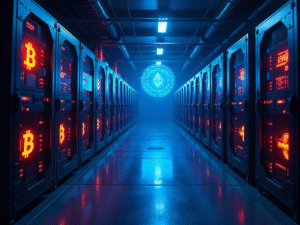
Strategic Hardware Selection and Optimization for Profitability
Choosing the right hardware is arguably the most critical decision for any crypto mining operation. In 2026, it’s not simply about acquiring the most powerful machine; it’s about making an informed decision based on energy efficiency, projected lifespan, resale value, and the specific cryptocurrencies you aim to mine. An optimized setup can significantly impact your bottom line.
ASIC vs. GPU: A 2026Perspective
The debate between ASICs (Application-Specific Integrated Circuits) and GPUs (Graphics Processing Units) continues, though with a clearer distinction for different mining goals.
- ASICs: These are purpose-built machines designed to mine specific algorithms (e.g., SHA-256 for Bitcoin). They offer vastly superior hashing power and energy efficiency for their target algorithm compared to GPUs.
- Pros: Highest efficiency for specific coins, faster ROI on certain networks, less configuration overhead.
- Cons: High upfront cost, limited flexibility (can’t easily switch algorithms), rapid obsolescence due to newer models, noisier, heat-intensive.
- Best For: Dedicated Bitcoin (and other SHA-256 coins) mining, large-scale operations focused on singular profitability.
- GPUs: Graphics cards are more versatile, capable of mining a wider range of algorithms (e.g., Ethash before The Merge, KawPow, Equihash, Cuckoo Cycle). They are less efficient for SHA-256 but ideal for altcoins.
- Pros: Flexibility to switch between profitable altcoins, potential for dual-purpose use (gaming, AI), better resale value in the mainstream market, quieter.
- Cons: Lower energy efficiency per hash compared to ASICs, higher electricity consumption for equivalent hash power, more complex software setup.
- Best For: Altcoin mining, those seeking flexibility, smaller-scale home setups, educational purposes, adaptability to market changes.
For 2026, ASICs remain the king for Bitcoin mining due to their unmatched efficiency. However, GPUs offer a safer hedge against sudden market shifts or algorithm changes in the altcoin space, making them attractive for those who prefer diversification.
Advanced Cooling and Infrastructure
Heat is the enemy of efficiency and longevity in crypto mining. As hardware becomes more powerful, so does the heat output. Effective cooling is essential not only to prevent thermal throttling and extend hardware life but also to maintain peak performance.
- Air Cooling: The most common method, involving fans to dissipate heat. While sufficient for smaller setups, it becomes less efficient and noisier at scale. Requires proper ventilation and dust management.
- Immersion Cooling: Submerging mining hardware in a non-conductive dielectric fluid. This method offers superior heat dissipation, reduces noise, and protects components from dust and humidity.
- Benefits: Dramatically improved cooling efficiency, extended hardware lifespan, potential for higher overclocking, reduced noise.
- Considerations: Higher upfront cost, specialized fluids and tanks, maintenance of fluid purity.
- Liquid Cooling (Direct-to-Chip): Similar to PC liquid cooling, but scaled for mining rigs. Coolant directly contacts heat-producing components. Often used in conjunction with immersion for hybrid solutions.
- Waste Heat Recovery: Innovative miners are exploring ways to capture and repurpose the significant heat generated. This can include heating greenhouses, homes, or even industrial processes, turning a cost into a potential revenue stream or efficiency gain.
Comparison of Leading Crypto Mining Hardware (20265 Projections)
Selecting the right equipment requires careful consideration of initial investment, operational costs, and the specific crypto mining targets. Here’s a look at some projected top performers in 2026 for their respective niches.
Top Crypto Mining Hardware Projections for 2026
| Product | Price | Pros | Cons | Best For |
|---|---|---|---|---|
| Bitmain Antminer S21 Pro | $6,500 – $8,000 | Unrivaled SHA-256 efficiency (J/TH), robust build, high hash rate. | Very high upfront cost, extremely loud, specific to Bitcoin mining. | Large-scale Bitcoin farms focused on maximum efficiency. |
| Canaan AvalonMiner A1500 Series | $5,800 – $7,500 | Excellent energy efficiency for Bitcoin, competitive pricing, good reliability. | Can be less common than Bitmain, still generates significant heat and noise. | Mid to large-scale Bitcoin mining operations seeking efficiency and value. |
| NVIDIA RTX 5090 (Hypothetical) | $2,000 – $2,500 | Extreme versatility for altcoin mining, strong resale value, good for AI/rendering tasks. | High power consumption for mining, not as efficient as ASICs for Bitcoin. | Flexible altcoin miners, dual-purpose use cases, small to medium setups. |
| Intel Blockscale ASIC (Next-Gen) | $4,000 – $5,000 | Potential for highly optimized performance in certain algorithms, lower power draw. | Still developing market presence, specific algorithm focus may vary, availability. | Miners looking for alternatives to established brands, potentially for specific new protocols. |
Optimizing Energy Consumption and Renewable Integration
The operational cost of electricity is often the most significant ongoing expense for crypto mining. As global energy prices fluctuate and environmental concerns grow, optimizing energy consumption and integrating renewable sources are no longer optional but essential for sustainable and profitable operations. This is a crucial aspect of smart crypto mining.
Strategies for Lowering Electricity Costs
Successful miners meticulously analyze their electricity rates and explore innovative ways to secure cheaper power. Even a slight reduction in electricity cost per kilowatt-hour (kWh) can translate into substantial savings over time.
- Geographic Arbitrage: Locating mining operations in regions with abundant and inexpensive electricity is a long-standing strategy.
- Factors to consider: local regulations, climate (for natural cooling), and geopolitical stability.
- Examples: Areas with surplus hydroelectric power, geothermal energy, or favorable industrial electricity rates.
- Off-Peak Mining: Some energy providers offer lower rates during off-peak hours (e.g., late night, weekends). Miners can configure their rigs to operate more intensively during these periods.
- Demand-Response Programs: Participating in utility demand-response programs can provide incentives for reducing energy consumption during peak grid demand. While it means occasional shutdowns, the financial compensation can offset the lost mining time.
- Co-location with Power Plants: Establishing mining facilities directly adjacent to or within power generation sites allows access to very competitive electricity rates, sometimes even directly from the source before transmission losses.
Integrating Renewable Energy Sources
The push for sustainability is transforming the energy landscape of crypto mining. Integrating renewable energy sources not only reduces the carbon footprint but can also provide stable, long-term energy costs, protecting against volatile fossil fuel prices.
- Solar Power: Investing in large-scale solar arrays can provide a significant portion, if not all, of the energy required for a mining farm. This is particularly effective in sunny climates.
- Considerations: Intermittency (requires battery storage or grid backup), initial investment cost, land requirements.
- Wind Power: Wind farms offer another robust renewable option, especially in windy regions.
- Considerations: Similar to solar, intermittency and high upfront costs are factors.
- Hydroelectric Power: Historically a favored source for crypto mining due to its reliability and low operating costs once built. Many large mining operations are located near hydroelectric dams.
- Benefits: High reliability, very low carbon emissions, often stable pricing.
- Geothermal Energy: Tapping into the Earth’s heat can provide a continuous, high-capacity energy source. This is less common but highly effective in geologically active areas.
- Flare Gas Mitigation: A growing innovative approach involves setting up mining rigs at oil and gas sites to consume methane gas that would otherwise be flared (burned off). This turns an environmental pollutant into a productive energy source, generating electricity for crypto mining and reducing greenhouse gas emissions.
The move towards green energy in crypto mining is not just about public perception; it’s a pragmatic business decision that offers long-term cost stability and compliance with evolving environmental regulations.
Diversifying Your Crypto Mining Portfolio for 2026
Relying on a single cryptocurrency for mining can be risky due to market volatility, algorithm changes, or increased network difficulty. A diversified crypto mining portfolio helps mitigate these risks and can open up new avenues for profitability, particularly as the ecosystem expands beyond Bitcoin.
Beyond Bitcoin: Exploring Altcoins and Different Algorithms
While Bitcoin remains the king of crypto mining, a multitude of altcoins offer diverse opportunities. These cryptocurrencies often utilize different mining algorithms, which can be mined with GPUs or specialized ASICs designed for those specific algorithms.
- GPU-Mineable Altcoins: Many newer and smaller cryptocurrencies are designed to be GPU-mineable, often to promote decentralization or resist ASIC dominance.
- Strategy: Monitor profitability calculators (e.g., WhatToMine) to identify the most lucrative coins based on current market prices and network difficulty.
- Examples: RavenCoin (RVN) using KawPow, Ergo (ERG) using Autolykos, and various privacy coins.
- Specialized ASIC-Mineable Altcoins: Some altcoins have their own dedicated ASICs, though these are less common and typically for more established chains. Research is key to understand the potential ROI before investing in these highly specialized machines.
- Merge Mining: This technique allows miners to mine two or more different cryptocurrencies simultaneously, as long as they share a compatible algorithm. The most famous example is Namecoin being merged-mined with Bitcoin. This effectively doubles your mining output for roughly the same energy cost.
The key to successful altcoin mining is continuous research and adaptability. Market conditions, network difficulty, and coin prices can change rapidly, requiring miners to be agile in switching between different cryptocurrencies or algorithms.
Staking and Other Passive Income Strategies
As the crypto space evolves, traditional Proof-of-Work (PoW) crypto mining is being complemented, and in some cases supplanted, by Proof-of-Stake (PoS) consensus mechanisms. For those with significant holdings, staking offers a less energy-intensive way to earn rewards.
- Proof-of-Stake (PoS) Staking: Instead of using computational power, PoS networks require participants to “stake” (lock up) a certain amount of their cryptocurrency to validate transactions and secure the network. In return, they earn staking rewards.
- Benefits: Environmentally friendly, often less technical overhead than mining, predictable returns (though capital is locked).
- Examples: Ethereum 2.0 (after The Merge), Cardano (ADA), Solana (SOL), Polkadot (DOT).
- Strategy: Consider staking a portion of your mined assets or dedicating a portion of your capital to staking alongside your mining operations.
- DeFi Yield Farming: While distinct from mining, yield farming involves leveraging decentralized finance (DeFi) protocols to earn high returns on your cryptocurrency holdings. This can involve providing liquidity, lending, or participating in various DeFi strategies.
- Benefits: High potential returns, diversified income streams.
- Risks: Smart contract vulnerabilities, impermanent loss, market volatility.
- Cloud Mining: This involves paying a third-party company to rent hashing power from their data centers.
- Pros: No upfront hardware costs, no electricity bills, no maintenance.
- Cons: Often less profitable than self-mining, prone to scams, lack of control over hardware. Due diligence is crucial for legitimate cloud mining providers in 2026.
Navigating Regulations and Future Trends in Crypto Mining
The regulatory landscape for crypto mining is becoming increasingly defined, moving from a largely unregulated wild west to a more structured environment. Understanding these regulations and keeping an eye on future trends is vital for long-term viability and to avoid potential legal pitfalls.
Understanding Regulatory Impacts on Crypto Mining
Governments and international bodies are grappling with how to classify and regulate cryptocurrencies and their associated activities, including mining. These regulations can significantly impact where and how mining operations can be conducted.
- Environmental Regulations: Concerns over energy consumption and carbon emissions are leading to stricter environmental mandates.
- Impact: Bans or heavy taxation on non-renewable energy sources for mining, incentives for green energy adoption, reporting requirements for energy use.
- Strategy: Prioritize renewable energy integration and transparent reporting of environmental impact.
- Taxation: Mining rewards are generally considered taxable income in most jurisdictions.
- Impact: Income tax on mined cryptocurrency (at fair market value when received), capital gains tax when sold, potential for VAT/GST on services.
- Strategy: Maintain meticulous records, consult with tax professionals specializing in cryptocurrency, and plan for tax liabilities.
- Licensing and Permits: Some regions may require specific licenses or permits for large-scale industrial crypto mining operations, especially concerning energy use, waste heat disposal, and land use.
- Geopolitical Factors: Government stances on cryptocurrency can shift rapidly, leading to sudden bans or favorable policies. Geopolitical stability and legal clarity are key factors in choosing a mining location.
Emerging Technologies and Future Outlook
The pace of innovation in blockchain and related technologies is relentless. Staying informed about emerging trends will give miners an edge in adapting their strategies for the future.
- Decentralized Physical Infrastructure Networks (DePIN): These networks leverage blockchain to incentivize the build-out and operation of real-world physical infrastructure, from wireless networks to energy grids. While not directly crypto mining, DePINs represent a new frontier for decentralized resource sharing and earning, potentially using similar hardware or computational resources.
- Quantum Computing: While still in its infancy for practical applications, quantum computing poses a long-term threat to current cryptographic standards. Quantum-resistant algorithms are being developed, and future crypto mining might involve hardware designed to secure such networks. This is a distant prospect for 2026 but warrants monitoring.
- Advanced AI in Mining Management: AI and machine learning can be leveraged to optimize mining operations.
- Applications: Predictive maintenance for hardware, dynamic power management based on electricity prices and market conditions, automatic switching between profitable altcoins.
- Improved Energy Harvesting: Continued research into more efficient energy harvesting and storage solutions will further reduce the energy footprint and increase the profitability of crypto mining, especially for off-grid operations.
Risk Management and Continuous Profitability Analysis
Operating a successful crypto mining enterprise in 2026 requires more than just efficient hardware and cheap electricity; it demands robust risk management and a continuous, data-driven approach to profitability analysis. The volatile nature of cryptocurrency markets necessitates a proactive strategy to safeguard investments and ensure long-term viability.
Calculating ROI and Breakeven Points
Before any significant investment in crypto mining hardware, a thorough calculation of the potential Return on Investment (ROI) and breakeven point is essential. This helps to set realistic expectations and determine the feasibility of an operation.
- **Key Metrics for ROI:**
- Initial Investment: Cost of hardware, infrastructure, setup.
- Operational Costs: Electricity, cooling, internet, maintenance, insurance.
- Mining Revenue: Estimated daily/monthly coin rewards based on hash rate, network difficulty, and coin price.
- Market Price Volatility: Account for potential fluctuations in cryptocurrency prices, which directly impact revenue.
- Hardware Depreciation: ASICs, in particular, can depreciate quickly as newer, more efficient models are released.
- Breakeven Point Analysis: Calculate how long it will take for your accumulated mining revenue to cover your total initial investment and operational costs. This metric is dynamic and needs constant recalculation as market conditions change.
- Sensitivity Analysis: Perform calculations under different scenarios (e.g., Bitcoin price drops by 20%, electricity costs increase by 10%) to understand the resilience of your operation to adverse conditions.
Utilize online mining calculators, but always verify their inputs and assumptions with your own detailed cost analysis. Conservative estimates are generally advisable.
Monitoring Market Trends and Hedging Strategies
The value of mined cryptocurrencies can fluctuate wildly, directly impacting profitability. Effective risk management involves closely monitoring market trends and employing strategies to protect against downturns.
- Market Monitoring: Stay updated on cryptocurrency news, price movements, network difficulty adjustments, and upcoming protocol changes. Tools like CoinMarketCap, TradingView, and various crypto news outlets are invaluable.
- Dollar-Cost Averaging (DCA): Instead of selling all mined coins immediately, consider selling a fixed dollar amount at regular intervals. This reduces the risk of trying to time the market and selling at a low point.
- Hedging Strategies: For larger operations, consider financial instruments to hedge against price volatility.
- Futures Contracts: Sell futures contracts on a portion of your expected mining output to lock in a price for future delivery.
- Options: Use options to protect against downside risk while retaining upside potential, though these strategies are more complex and carry their own risks.
- Diversification: As discussed, mining multiple cryptocurrencies or engaging in staking can spread risk across different assets, reducing reliance on any single coin’s performance.
Cybersecurity and Operational Security
Mining operations, particularly those connected to the internet, are targets for cyberattacks. Robust cybersecurity measures are critical to protect your assets and maintain continuous operation.
- Strong Passwords and Two-Factor Authentication (2FA): Essential for all accounts, including mining pool accounts, cryptocurrency wallets, and exchange platforms.
- Secure Wallet Management: Store mined cryptocurrencies in secure wallets. For significant holdings, consider hardware wallets or multi-signature cold storage solutions. Avoid keeping large amounts on exchange hot wallets.
- Network Security: Implement strong firewalls, use Virtual Private Networks (VPNs) for remote access, and keep all software and firmware updated to patch vulnerabilities. Isolate your mining network from personal or business networks if possible.
- Regular Backups: Back up all critical configuration files, wallet seed phrases, and operational data.
- Physical Security: For large-scale mining farms, physical security measures (e.g., surveillance, access control) are crucial to prevent theft and tampering.
By integrating comprehensive risk management and continually analyzing profitability, crypto mining operations in 2026 can navigate the inherent volatilities of the market and build a resilient, successful enterprise.
As the crypto landscape matures, the days of easy gains are largely behind us. However, for those equipped with strategic thinking, advanced hardware, and a commitment to efficiency and sustainability, crypto mining in 2026 offers substantial opportunities. The key lies in understanding the evolving technological frontier, optimizing energy consumption, diversifying your portfolio, and meticulously managing risks. By embracing these principles, you can move beyond the hype and build a robust, profitable mining operation ready for the future.
To further enhance your understanding and explore advanced strategies, consider joining a community of like-minded miners or engaging with industry experts. Continuous learning and adaptation are your greatest assets in this dynamic field. For more insights or collaboration opportunities, visit www.agentcircle.ai.
Frequently Asked Questions (FAQ)
What is the most profitable cryptocurrency to mine in 2026?
The most profitable cryptocurrency to mine in 2026 largely depends on various factors including market price, network difficulty, and your electricity costs. Bitcoin remains dominant for ASIC miners, but GPU-mineable altcoins can offer higher short-term profitability due to lower competition and specific market trends. Continuous monitoring of profitability calculators is essential.
Is crypto mining still worth it in 2026?
Yes, crypto mining can still be highly profitable in 2026, but it requires a more strategic and professional approach than in previous years. Success hinges on efficient hardware selection, access to low-cost or renewable energy, and effective risk management. It’s not for casual participants anymore, but serious operators can find significant returns.
How important is renewable energy for crypto mining now?
Renewable energy is becoming critically important for crypto mining. It not only addresses growing environmental concerns and potential regulatory pressures but also offers long-term cost stability, protecting miners from volatile fossil fuel prices. Integrating renewables can provide a significant competitive advantage and improve public perception.
What are the biggest risks associated with crypto mining?
The biggest risks in crypto mining include the volatility of cryptocurrency prices, which directly impacts revenue; rising electricity costs; increasing network difficulty; rapid hardware obsolescence; and potential regulatory changes or bans. Cybersecurity threats and hardware failures are also significant operational risks.
Can I still mine crypto at home with a regular PC?
For most major cryptocurrencies like Bitcoin, mining with a regular PC or even a standard gaming GPU is no longer profitable due to the dominance of specialized ASIC hardware and high network difficulty. While you might be able to mine very niche altcoins, the returns typically won’t cover electricity costs. Dedicated mining hardware is almost always required for profitability.
References and Further Reading
- WhatToMine.com – Crypto Mining Profitability Calculator
- CoinMarketCap – Cryptocurrency Prices, Charts, and Market Caps
- TradingView – Real-Time Charts & Analysis for Cryptocurrencies
- U.S. Energy Information Administration – Electricity Data
- Bitcoin Magazine – Leading Bitcoin News & Analysis