



Introduction to Ethereum ETFs
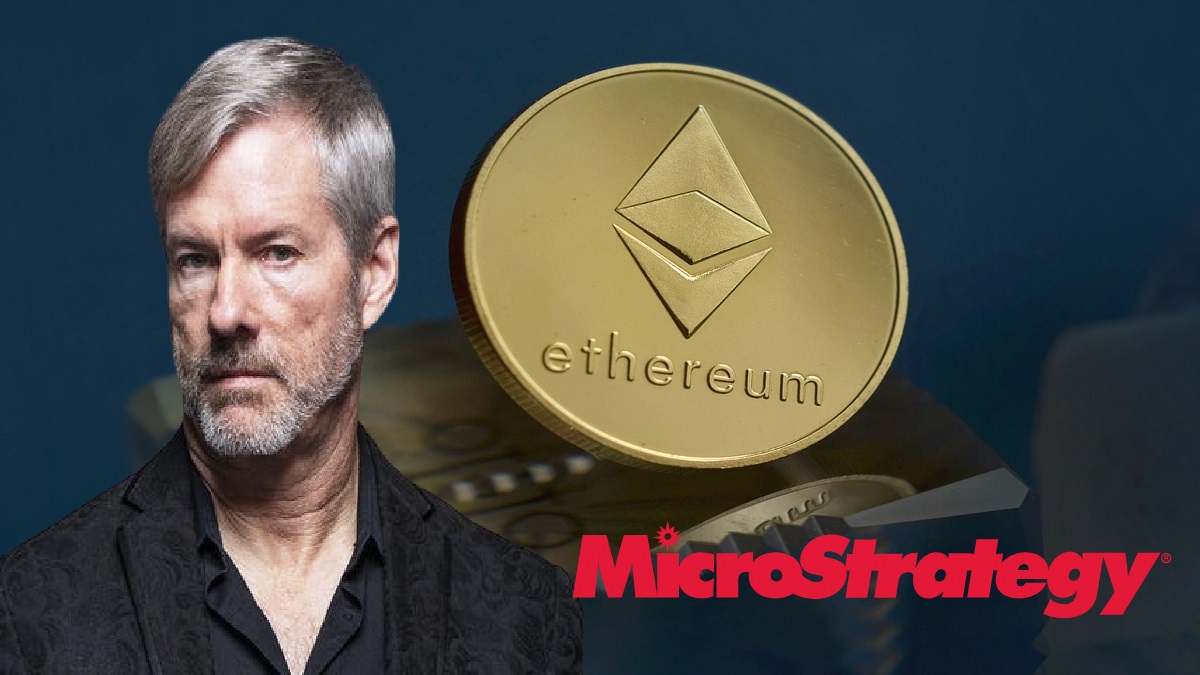
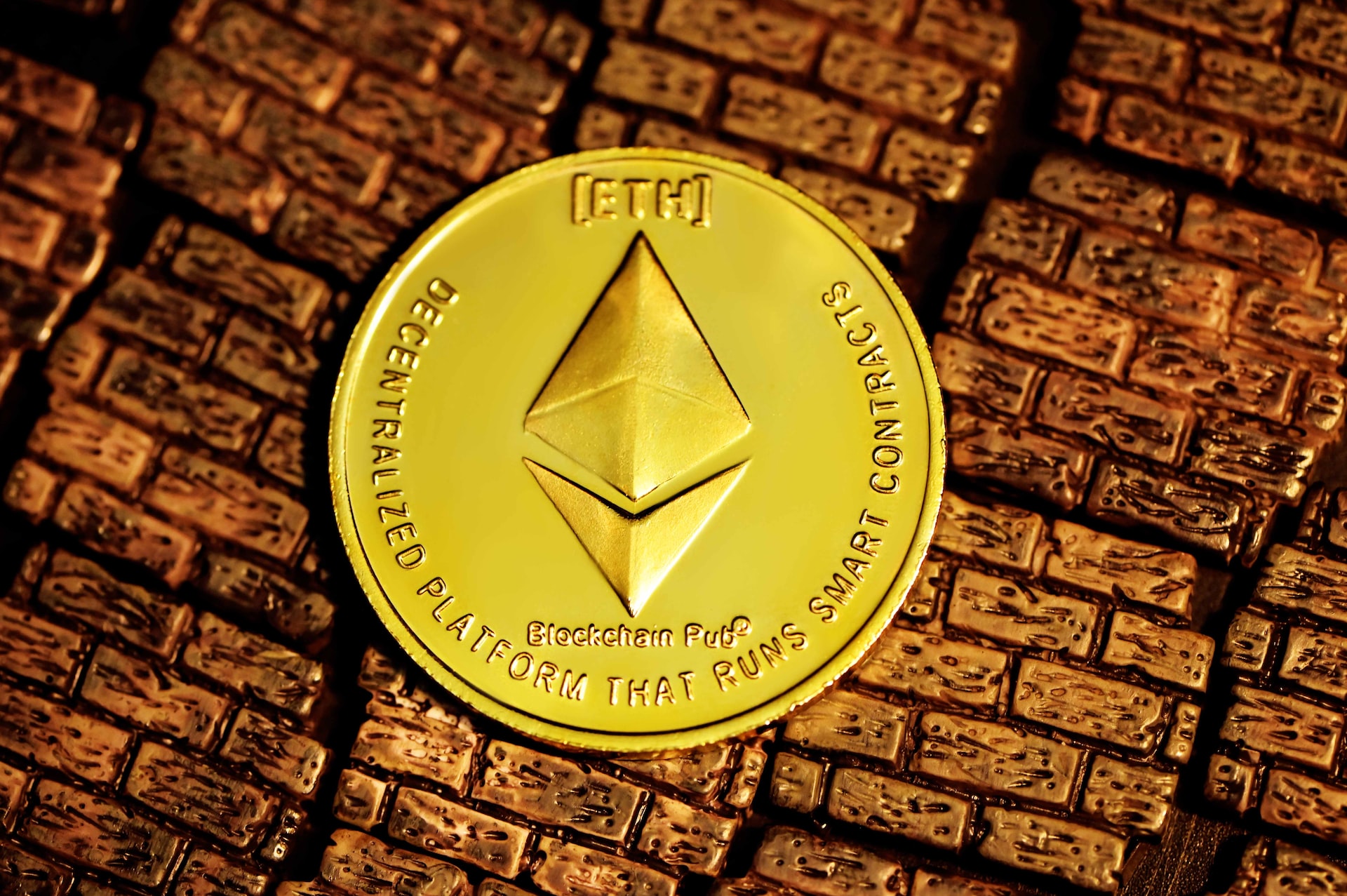
Cryptocurrency investing has rapidly evolved from a niche interest to a mainstream financial movement. Among the latest developments shaping this revolution is the Ethereum ETF—an exchange-traded fund designed to give investors exposure to Ethereum without the complexities of directly owning or storing the cryptocurrency.
An ETF, or Exchange-Traded Fund, is a financial instrument that tracks the price of an asset or a basket of assets. In the case of an Ethereum ETF, the goal is to mirror the price movements of Ethereum (ETH)—the world’s second-largest cryptocurrency by market capitalization. Unlike direct purchases of ETH, investors buy shares of the ETF through regular brokerage accounts, offering a familiar and regulated gateway to crypto markets.
The concept of crypto ETFs first gained traction with Bitcoin ETFs, paving the way for Ethereum to follow suit. While both share similarities, Ethereum ETFs introduce additional potential through smart contracts, staking rewards, and the broader decentralized finance (DeFi) ecosystem built on its blockchain.
The Evolution of Ethereum and Institutional Interest
Ethereum was launched in 2015 by Vitalik Buterin as a programmable blockchain designed to support decentralized applications (dApps). Its innovation—smart contracts—enabled automated, trustless transactions, transforming industries from finance to gaming.
Over the years, Ethereum’s resilience, scalability, and technological upgrades (like Ethereum 2.0’s shift to Proof-of-Stake) have attracted institutional investors. Major corporations, hedge funds, and financial institutions now view Ethereum not merely as a cryptocurrency but as a digital asset powering the future of Web3.
The introduction of Ethereum ETFs reflects this growing confidence. Institutions prefer ETFs because they combine exposure to ETH’s price performance with traditional financial compliance and custodial security, eliminating the need to manage private keys or digital wallets.
How Ethereum ETFs Work
Ethereum ETFs operate similarly to traditional ETFs, tracking the price of Ethereum either through spot holdings or futures contracts.
- Spot Ethereum ETFs directly hold ETH, reflecting its real-time market price.
- Futures Ethereum ETFs, on the other hand, rely on Ethereum futures contracts traded on regulated exchanges like the Chicago Mercantile Exchange (CME).
Regulated custodians manage the underlying assets, ensuring that ETFs maintain parity with Ethereum’s market performance. The Securities and Exchange Commission (SEC) plays a critical role by approving fund structures and ensuring investor protection through transparency and reporting requirements.
For investors, this structure offers an accessible way to benefit from Ethereum’s growth potential while maintaining exposure within traditional investment accounts.
Key Benefits of Investing in Ethereum ETFs
- Accessibility – Ethereum ETFs make it easier for retail and institutional investors to gain exposure to ETH through traditional stock exchanges.
- Reduced Custody Risks – Investors don’t need to store private keys or use crypto wallets, reducing the risk of loss through hacking or mismanagement.
- Regulatory Oversight – ETFs are regulated financial products, providing more investor protection compared to unregulated crypto exchanges.
- Portfolio Diversification – Adding Ethereum exposure enhances diversification in traditional portfolios, offering potential upside linked to blockchain innovation.
- Ease of Trading – Ethereum ETFs can be traded just like stocks during market hours, providing liquidity and convenience.
These advantages have made Ethereum ETFs a bridge between traditional finance (TradFi) and the rapidly growing digital asset ecosystem.
Risks and Challenges Associated with Ethereum ETFs
Despite their potential, Ethereum ETFs come with notable risks:
- Market Volatility: Ethereum’s price can fluctuate sharply, influencing ETF valuations.
- Regulatory Uncertainty: Future changes in SEC policy or crypto regulation could affect the ETF’s operation or valuation.
- Custodial and Counterparty Risks: Even with secure custodians, institutional mismanagement or technical failures remain possible.
- Tracking Errors: Futures-based ETFs might not perfectly track Ethereum’s spot price, leading to potential underperformance.
Understanding these risks is vital for investors aiming to balance opportunity with caution.
Ethereum Spot ETF vs. Ethereum Futures ETF
While both investment vehicles aim to provide Ethereum exposure, there are key differences:
| Feature | Spot Ethereum ETF | Futures Ethereum ETF |
|---|---|---|
| Underlying Asset | Actual ETH held in custody | Ethereum futures contracts |
| Price Accuracy | Closely matches ETH spot price | May deviate due to futures roll costs |
| Regulatory Status | Recently gaining approval | Already established |
| Ideal For | Long-term investors | Active traders and speculators |
The growing interest in spot Ethereum ETFs—especially after SEC discussions in 2024—signals a major step toward crypto market maturity.
Major Players and Approved Ethereum ETFs
The approval of Ethereum ETFs marked a significant turning point for the crypto industry, legitimizing Ethereum as an institutional-grade investment asset. Several renowned asset managers and financial institutions have entered the race to launch their own Ethereum ETFs, seeking to capture the growing demand among investors.
Among the most notable players are:
- BlackRock Ethereum ETF (ETHA):
BlackRock, the world’s largest asset manager, made headlines when it filed for its Ethereum spot ETF. Known for its influence in financial markets, BlackRock’s participation increased confidence in Ethereum’s institutional acceptance. - Grayscale Ethereum Trust (ETHE):
Grayscale was one of the early pioneers in crypto ETFs, providing exposure to ETH long before ETFs became mainstream. Their conversion of the Grayscale Ethereum Trust into a spot ETF further enhanced liquidity and investor accessibility. - VanEck and ARK Invest:
These firms have been vocal advocates for digital asset ETFs. Their Ethereum ETF offerings aim to provide low-fee, transparent access to Ethereum’s price performance. - Fidelity Investments:
Fidelity’s entry into Ethereum ETFs showcases how traditional finance is merging with digital assets. Fidelity’s strong compliance and research background make its ETF particularly attractive to conservative investors.
Each of these funds follows slightly different structures, with some holding spot Ethereum while others utilize futures contracts to track price movements. Collectively, they have brought billions of dollars in liquidity to the Ethereum ecosystem, driving mainstream adoption and market maturity.
Regulatory Landscape of Ethereum ETFs
The path to approval for Ethereum ETFs was not straightforward. For years, the U.S. Securities and Exchange Commission (SEC) hesitated to approve crypto-related ETFs due to concerns over market manipulation, liquidity, and investor protection.
However, with the success of Bitcoin ETFs and the evolving crypto ecosystem, the regulatory tone began to shift. The SEC’s eventual acceptance of Ethereum ETFs in 2024 reflected growing recognition of Ethereum’s legitimacy and technological resilience.
Globally, other financial hubs have taken more progressive steps.
- Canada approved its first Ethereum ETF in 2021, setting a global precedent.
- Europe and Asia followed suit, with exchanges in Germany, Switzerland, and Hong Kong offering regulated Ethereum ETF products.
This global acceptance signals that Ethereum has become a key pillar in digital finance, and ETFs are the mechanism connecting it to traditional capital markets.
Ethereum ETFs vs. Direct ETH Investment
Both Ethereum ETFs and direct ETH purchases provide exposure to Ethereum’s price performance, but they cater to different investor preferences.
| Feature | Ethereum ETF | Direct ETH Investment |
|---|---|---|
| Ownership | Indirect exposure via ETF shares | Direct control of ETH tokens |
| Storage | Managed by custodians | Requires personal crypto wallets |
| Regulation | Highly regulated by financial authorities | Largely unregulated (depending on exchange) |
| Ease of Access | Can be traded via brokerage accounts | Requires use of crypto exchanges |
| Fees | Management fees apply | Exchange and network fees apply |
In essence, Ethereum ETFs offer simplicity, compliance, and familiarity to traditional investors, while direct ETH ownership provides autonomy and access to decentralized finance (DeFi) applications. For many, a hybrid strategy—holding both ETF shares and some ETH directly—offers the best of both worlds.
The Role of Ethereum 2.0 in ETF Growth
The transition from Proof-of-Work (PoW) to Proof-of-Stake (PoS), commonly referred to as Ethereum 2.0, revolutionized the Ethereum network’s efficiency and sustainability. This upgrade significantly reduced Ethereum’s energy consumption while enabling staking, where holders earn passive income by securing the network.
For ETFs, Ethereum 2.0 introduced new opportunities. Some funds are exploring ways to incorporate staking rewards into their portfolios, allowing ETF holders to benefit indirectly from Ethereum’s PoS yield.
Moreover, Ethereum’s improved scalability and network performance have strengthened investor confidence, positioning it as a leading blockchain for institutional applications, smart contracts, and tokenized assets—all factors that reinforce ETF growth.
How to Invest in an Ethereum ETF
Investing in an Ethereum ETF is straightforward and similar to buying traditional ETFs or stocks. Here’s how to get started:
- Choose a Brokerage:
Open an account with a regulated brokerage platform such as Fidelity, Charles Schwab, or Robinhood that lists Ethereum ETFs. - Research Available ETFs:
Review options like BlackRock’s ETHA, VanEck Ethereum ETF, or Grayscale Ethereum ETF to compare fees, liquidity, and performance. - Decide on Your Investment Amount:
Start small if you’re new to crypto ETFs. You can increase exposure as you gain confidence in the market. - Place Your Order:
Buy ETF shares just as you would purchase stocks. You can choose between market orders (instant execution) or limit orders (at your chosen price). - Monitor and Diversify:
Keep track of your ETF’s performance and consider diversifying into other digital asset ETFs or blockchain-related equities.
Investing in an Ethereum ETF provides regulated exposure to the world’s leading smart contract platform, without the need to manage crypto wallets or navigate blockchain complexities.
Expert Opinions and Market Predictions
Financial experts and analysts hold an optimistic outlook on the future of Ethereum ETFs. Many predict that Ethereum ETFs will outperform Bitcoin ETFs in the long term, primarily because of Ethereum’s versatile ecosystem, which supports DeFi, NFTs, and tokenized assets.
- Cathie Wood (ARK Invest): Believes Ethereum will become a “backbone of the decentralized internet,” making ETH-based ETFs a major growth opportunity.
- Bloomberg Intelligence Analysts: Project Ethereum ETFs could attract over $10 billion in assets within two years of launch.
- JP Morgan Reports: Suggest institutional interest in Ethereum could rival Bitcoin by 2026 due to its programmability and staking yields.
These expert insights underline Ethereum’s potential to drive the next wave of blockchain-based financial innovation.
The Future of Ethereum ETFs and Blockchain Finance
Ethereum ETFs are not just financial instruments—they’re gateways to a broader transformation in global finance. As blockchain continues to merge with traditional markets, Ethereum’s ecosystem could power tokenized real-world assets, on-chain funds, and automated DeFi portfolios.
Future Ethereum ETFs may integrate:
- Yield-bearing staking mechanisms
- Smart contract automation for ETF management
- Cross-chain liquidity and tokenized fund models
In the long term, Ethereum ETFs could become foundational products in every diversified portfolio, bridging the gap between traditional finance and decentralized technology.
Comparing Ethereum ETFs with Other Crypto ETFs
| ETF Type | Primary Asset | Focus Area | Growth Potential |
|---|---|---|---|
| Bitcoin ETF | Bitcoin (BTC) | Digital gold, store of value | Stable, high liquidity |
| Ethereum ETF | Ethereum (ETH) | Smart contracts, DeFi, staking | High innovation potential |
| Solana ETF | Solana (SOL) | Fast transactions, low fees | Emerging opportunity |
| Multi-Crypto ETF | Basket of assets | Diversification | Balanced performance |
Ethereum ETFs stand out for their dual appeal—price exposure and innovation potential—making them ideal for both institutional and retail investors.
Top Strategies for Maximizing Returns with Ethereum ETFs
- Adopt a Long-Term Perspective:
Ethereum’s value lies in its ecosystem. Hold ETFs for 3–5 years to capture growth from technological innovation. - Dollar-Cost Averaging (DCA):
Invest a fixed amount regularly to mitigate volatility and reduce timing risk. - Diversify Across Crypto ETFs:
Combine Ethereum ETFs with Bitcoin or blockchain equity ETFs for balanced exposure. - Stay Updated on Regulations:
Regulatory shifts can heavily influence ETF prices. Monitor SEC announcements and policy changes. - Reinvest Dividends or Staking Yields:
Some Ethereum ETFs may distribute rewards. Reinvest them to enhance long-term returns.
FAQs about Ethereum ETF
1. What is an Ethereum ETF?
An Ethereum ETF is a regulated investment fund that tracks the price of Ethereum, allowing investors to gain exposure to ETH without directly owning the cryptocurrency.
2. How does an Ethereum ETF differ from buying Ethereum directly?
Buying ETH gives direct ownership of the cryptocurrency, while an ETF offers price exposure through shares traded on traditional stock exchanges.
3. Is the Ethereum ETF approved by the SEC?
Yes, the SEC approved Ethereum spot ETFs in 2024, allowing regulated trading in the U.S.
4. Can Ethereum ETFs include staking rewards?
Some ETF providers are exploring models that incorporate staking yields into fund structures, though regulatory approval varies by jurisdiction.
5. Are Ethereum ETFs safe to invest in?
They are generally safer than holding crypto directly, as ETFs are regulated and managed by licensed custodians, though they still carry market and price risks.
6. How can I start investing in an Ethereum ETF?
You can buy Ethereum ETF shares through your preferred stock brokerage, just like traditional ETFs or equities.
Conclusion
The rise of the Ethereum ETF represents a defining moment in the evolution of digital finance. By merging blockchain innovation with traditional market structures, Ethereum ETFs empower both retail and institutional investors to participate in the decentralized economy safely and efficiently.
As Ethereum continues to evolve—driven by Ethereum 2.0, DeFi integration, and smart contract adoption—its ETFs will likely become a cornerstone of global investment portfolios. For those seeking a blend of innovation, accessibility, and long-term growth, the Ethereum ETF is an opportunity worth exploring.
[hurrytimer id=”13677″]