



Unpacking the LUNC Phenomenon: A Deep Dive into Market Resurgence, Regulatory Dynamics, and Blockchain’s Business Impact
Key Takeaways
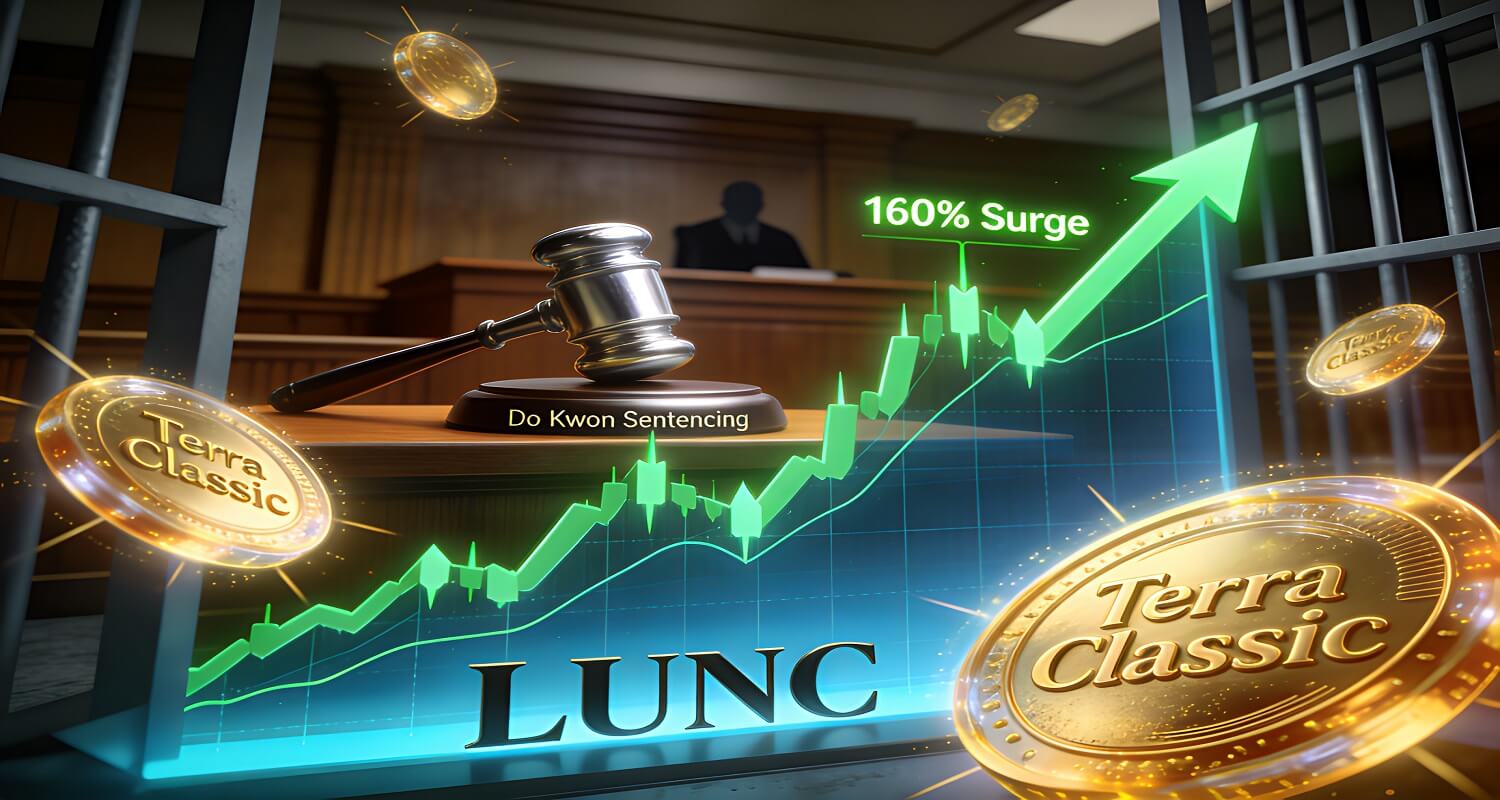
- Terra Classic (LUNC) surged over 160% in a week, driven by the anticipated sentencing of Terraform Labs co-founder Do Kwon and ongoing token burning mechanisms.
- Regulatory clarity, even from adverse legal outcomes, can act as a powerful de-risking factor, shifting market narratives and attracting new capital to crypto projects.
- Token burns actively reduce the circulating supply of LUNC, creating deflationary incentives for investors, although long-term impact depends on utility and demand.
- The LUNC saga offers critical business insights into financial innovation (tokenomics, DeFi resilience), digital transformation (transparency, decentralized governance), and operational optimization.
- Navigating the volatile Web3 landscape requires rigorous due diligence, focusing on blockchain’s utility beyond speculation, embracing regulatory evolution, and continuous learning.
Table of Contents
- LUNC Surges Over 160% in a Week as Do Kwon Sentencing and Token Burns Draw Traders
- The Catalysts: Do Kwon’s Sentencing and Token Burns
- Blockchain Solutions, Financial Innovation, and Business Optimization: Lessons from LUNC
- Navigating the Future: Risk, Reward, and Responsible Innovation
- FAQ Section
- Conclusion
LUNC Surges Over 160% in a Week as Do Kwon Sentencing and Token Burns Draw Traders
The world of digital assets is no stranger to dramatic movements, but the recent surge of Terra Classic (LUNC) by over 160% in a single week has captured the attention of investors, analysts, and business professionals alike. This impressive rally isn’t just a fleeting market anomaly; it’s a complex interplay of speculative sentiment driven by the impending sentencing of Terraform Labs co-founder Do Kwon and the tangible impact of token burns, hinting at deeper currents within the cryptocurrency ecosystem and its evolving relationship with traditional financial and legal frameworks. For businesses and entrepreneurs navigating the digital transformation landscape, understanding such phenomena goes beyond mere price action; it illuminates the powerful forces shaping financial innovation, operational optimization, and the very future of digital economies.
The LUNC narrative is particularly compelling because it emerges from the ashes of one of crypto’s most spectacular collapses. Terra, once a top-ten cryptocurrency by market capitalization, imploded in May 2022, wiping out billions of dollars in investor wealth and sending shockwaves across the entire crypto market. The subsequent unpegging of its algorithmic stablecoin, UST, and the hyperinflation of its native token, LUNA (now LUNC), left a lasting scar. Fast forward to today, and the resurgence of LUNC, the original chain’s token, is a testament to the persistent allure of high-risk, high-reward assets, coupled with a community’s determination to rebuild and a market’s appetite for clarity.
The Catalysts: Do Kwon’s Sentencing and Token Burns
At the heart of LUNC’s recent impressive gains are two primary drivers: the nearing resolution of Do Kwon’s legal saga and the continued implementation of token burning mechanisms. Each of these elements, while distinct, contributes to a collective narrative that is attracting both speculative traders and those looking for a long-term turnaround.
Do Kwon’s Sentencing: A Quest for Clarity Amidst Chaos
The legal proceedings surrounding Do Kwon have been a protracted and complex affair. Accused of fraud and capital markets violations following the Terra-LUNA collapse, Kwon’s eventual sentencing in a South Korean court is widely anticipated. For the LUNC community, this event isn’t necessarily about celebrating a conviction, but rather about the promise of clarity. In the often-unregulated and opaque world of cryptocurrency, regulatory and legal certainty can act as a powerful de-risking factor.
- De-risking the Project: The Terra ecosystem, even in its “Classic” form, has operated under a cloud of uncertainty. The association with a founder facing serious charges has naturally deterred institutional investment and hampered mainstream adoption. A final verdict, regardless of its specific outcome, could provide a definitive end to this chapter. This allows the remaining developers and community members to potentially move forward with a clearer legal landscape, reducing the overhang of ongoing litigation and the possibility of future asset seizures or further regulatory actions impacting the protocol.
- Shifting Narratives: A resolution, even a harsh one, can shift the narrative surrounding LUNC from one of past failures and legal troubles to one focused on future development and community-led initiatives. This psychological shift can be incredibly powerful in speculative markets, attracting new capital from those who believe the worst is finally over.
- Regulatory Precedent: The outcome of Do Kwon’s case also carries broader implications for the entire crypto industry. It sets precedents for how traditional legal systems will interact with decentralized autonomous organizations (DAOs), smart contracts, and the individuals behind them. For businesses engaging with blockchain technology, understanding these legal frameworks is paramount for risk management and compliance.
Expert Take: The Power of Regulatory Resolution
“The market’s reaction to Do Kwon’s impending sentencing underscores a critical point: regulatory clarity, even in the context of adverse outcomes for individuals, can be a significant catalyst for market movement. For projects striving for long-term viability and institutional adoption, demonstrating a path toward legal resolution and compliance is increasingly paramount. It de-risks the asset and opens doors for broader participation.” – Dr. Anya Sharma, Blockchain Legal Analyst
Token Burns: Deflationary Mechanics in Action
The other significant factor driving LUNC’s surge is the ongoing token burn mechanism. Token burning involves permanently removing a certain amount of cryptocurrency from circulation, typically by sending it to an unspendable address. The fundamental principle behind this is simple supply and demand economics: if the supply of an asset decreases while demand either remains constant or increases, its price tends to rise.
- Supply Reduction: The LUNC community has implemented various burning initiatives since the collapse, often funded by transaction fees or community contributions. These burns aim to significantly reduce the massive circulating supply of LUNC, which exploded during the de-pegging event. A smaller supply means that each remaining token theoretically represents a larger share of the project’s overall value.
- Deflationary Incentive: For investors, token burns create a deflationary incentive. If tokens are continually removed from circulation, the value of their holdings could appreciate over time, assuming a stable or growing demand. This mechanism is particularly attractive in a high-supply token like LUNC, where the path to recovery often involves aggressive supply reduction.
- Community Engagement: The act of burning tokens is often a community-driven effort, fostering a sense of collective purpose and commitment among LUNC holders. This strong community engagement can further fuel positive sentiment and attract new investors who see a dedicated base working towards the project’s revival.
While token burns have a demonstrable effect on supply, their long-term impact on price depends heavily on the project’s utility and underlying demand. Without sustained development, adoption, and a compelling use case, even significant burns may not be enough to sustain a rally indefinitely. However, in the short to medium term, they provide a powerful narrative for potential price appreciation.
Blockchain Solutions, Financial Innovation, and Business Optimization: Lessons from LUNC
The LUNC phenomenon, despite its troubled past, offers valuable insights for business leaders, entrepreneurs, and financial institutions navigating the broader digital asset space. It highlights the inherent volatility but also the transformative potential of blockchain technology when viewed through the lens of business efficiency, digital transformation, and financial innovation.
1. Financial Innovation and the Evolution of Digital Assets:
The Terra-LUNA collapse was a stark reminder of the risks associated with certain forms of financial innovation, particularly algorithmic stablecoins. However, the LUNC resurgence, fueled by tokenomics and regulatory anticipation, underscores the continuous evolution of digital financial instruments.
- Redefining Value Creation: Even with a troubled history, the LUNC rally demonstrates how tokenomics (e.g., burning mechanisms) can be designed to create value through scarcity, mimicking traditional financial instruments like stock buybacks but at a protocol level. Businesses looking into tokenized loyalty programs, digital currencies for internal settlements, or even new asset classes need to understand these tokenomic principles.
- Decentralized Finance (DeFi) Resilience: While Terra’s collapse hit DeFi hard, the sector continues to innovate. The LUNC community’s efforts to revive the chain, integrate with new DeFi protocols, and attract developers demonstrate the resilience and adaptability of decentralized ecosystems. This continuous experimentation drives new forms of lending, borrowing, and trading that can offer businesses alternative financial pathways, reduced intermediation costs, and enhanced transparency.
- Lessons for Stablecoin Design: The failure of UST has led to a much more rigorous focus on the design and backing of stablecoins. This is crucial for businesses, as stablecoins are often the gateway to engaging with the broader crypto economy, offering price stability where volatile assets like LUNC do not. Businesses considering using stablecoins for cross-border payments, payroll, or supply chain finance benefit from the industry’s lessons learned and the move towards fully collateralized or regulated stablecoin options.
Expert Take: The Evolving Landscape of Digital Finance
“The LUNC saga, from its precipitous fall to its speculative resurgence, serves as a powerful case study in the rapid evolution of digital finance. It highlights both the extreme risks of unproven models and the market’s continuous search for new value propositions. For traditional finance, this means understanding not just the technology, but the underlying economic incentives and community dynamics that drive these assets.” – Sarah Chen, Venture Capitalist specializing in Web3 Investments
2. Digital Transformation and Blockchain’s Foundational Role:
Beyond speculative trading, the underlying blockchain technology that powers LUNC (and countless other projects) is a foundational pillar for digital transformation across industries.
- Transparency and Auditability: Blockchain’s immutable ledger provides unparalleled transparency and auditability, which is vital for businesses seeking to optimize supply chains, enhance data integrity, and build trust with customers and partners. Even a project like LUNC, with its controversies, operates on a transparent ledger where every burn and transaction is publicly verifiable.
- Decentralized Governance Models: While Do Kwon’s sentencing highlights the challenges of centralized influence even in a supposedly decentralized project, the idea of community-led governance (as seen in LUNC’s revival efforts) continues to shape the future of organizational structures. DAOs, powered by blockchain, offer new paradigms for collective decision-making, fund management, and project development. For businesses, this translates into potential for more efficient stakeholder engagement, shared resource management, and democratic innovation.
- Global Access and Inclusivity: Blockchain-based digital assets inherently offer global accessibility, circumventing traditional financial intermediaries and geographical barriers. For businesses aiming to expand into emerging markets, serve unbanked populations, or streamline international transactions, this capability represents a significant operational advantage.
3. Operational Optimization and the Strategic Use of Tokenomics:
The LUNC token burn strategy illustrates how sophisticated tokenomic models can be deployed to influence market dynamics and optimize a project’s long-term sustainability. Businesses can draw parallels for their own operational strategies.
- Incentive Mechanisms: Token burns are a powerful incentive mechanism, rewarding long-term holders by reducing supply. Businesses can design similar incentive structures using tokenization for customer loyalty programs, employee rewards, or partner ecosystems, driving desired behaviors and strengthening network effects.
- Supply Chain Efficiency: While LUNC is a currency, the principles of blockchain technology apply directly to supply chain management. Tracking goods on an immutable ledger from origin to consumer enhances efficiency, reduces fraud, and provides real-time data for optimized logistics and inventory management. This directly impacts operational costs and delivery times.
- Data Integrity and Security: The security features inherent in blockchain technology, including cryptographic encryption and distributed ledgers, offer robust solutions for protecting sensitive business data. This translates into improved operational security, reduced risk of data breaches, and enhanced compliance with data protection regulations.
Expert Take: Blockchain as an Operational Backbone
“The technical mechanisms behind token burns, while specific to cryptocurrency, offer a glimpse into how digital scarcity and programmable economics can be integrated into operational strategies. For businesses, this could mean optimizing resource allocation through tokenized incentives, enhancing supply chain transparency with immutable ledgers, or securing data with cryptographic proof. Blockchain isn’t just about finance; it’s about re-engineering operational backbones.” – Mark Davidson, Chief Technology Officer at a FinTech Innovator
Navigating the Future: Risk, Reward, and Responsible Innovation
The LUNC surge is a vivid reminder of the double-edged nature of the cryptocurrency market. It offers immense potential for rapid gains, but also carries significant risks due to its volatility and speculative nature. For business professionals and entrepreneurs, the key lies in discernment and a strategic approach.
- Due Diligence is Paramount: While the allure of quick gains can be tempting, any engagement with digital assets, especially those with a history like LUNC, necessitates rigorous due diligence. Understanding the underlying technology, the community, the regulatory environment, and the project’s long-term viability is crucial.
- Beyond Speculation: For businesses, the true value of blockchain and cryptocurrency lies not just in price appreciation, but in its utility for solving real-world problems. Focusing on how blockchain can enhance efficiency, reduce costs, improve security, and foster new business models will yield more sustainable returns than purely speculative investments.
- Embrace Regulatory Evolution: The Do Kwon sentencing highlights the increasing intersection of traditional legal frameworks with the decentralized crypto world. Businesses must stay informed about evolving regulations, engage with policymakers, and prioritize compliance to build trust and achieve mainstream adoption for blockchain-based solutions.
- Continuous Learning: The pace of innovation in Web3 is relentless. Professionals must commit to continuous learning about new protocols, tokenomic models, security best practices, and emerging use cases to leverage blockchain technology effectively for digital transformation and financial innovation.
FAQ Section
What is Terra Classic (LUNC) and why did it surge recently?
Terra Classic (LUNC) is the original native token of the Terra blockchain, which famously collapsed in May 2022. Its recent surge of over 160% is attributed primarily to two factors: the impending sentencing of Terraform Labs co-founder Do Kwon, which promises regulatory clarity, and ongoing token burning initiatives by the community designed to reduce its massive circulating supply.
How does Do Kwon’s sentencing impact LUNC?
Do Kwon’s sentencing is seen as a crucial step towards regulatory clarity for the Terra ecosystem. A final verdict, regardless of its outcome, could de-risk the project by removing a significant cloud of legal uncertainty. This shift can change the narrative from past failures to future development, potentially attracting new investment and institutional interest by offering a clearer legal landscape.
What are token burns and how do they affect LUNC’s price?
Token burning is the process of permanently removing cryptocurrency tokens from circulation, typically by sending them to an unspendable address. For LUNC, these burns are designed to significantly reduce its high supply. According to basic supply and demand economics, a decrease in supply with stable or increasing demand tends to drive up the price of the asset, creating a deflationary incentive for holders.
What business lessons can be learned from the LUNC phenomenon?
The LUNC phenomenon highlights several key business lessons: the importance of understanding tokenomics in value creation and incentive design, the resilience and innovation within Decentralized Finance (DeFi), the need for robust stablecoin designs, and blockchain’s foundational role in digital transformation through transparency, decentralized governance models, and global accessibility. It emphasizes using blockchain for real-world utility beyond mere speculation.
What are the risks associated with investing in LUNC?
LUNC, despite its recent rally, carries significant risks due to its volatile nature and speculative history following a major collapse. These risks include extreme price fluctuations, dependence on community sentiment and external regulatory events, and the necessity for sustained utility and demand beyond token burns to ensure long-term viability. Thorough due diligence is crucial before any investment.
Conclusion
In conclusion, LUNC’s remarkable rally, driven by the dual forces of regulatory clarity and deliberate tokenomics, is far more than just another crypto price spike. It’s a microcosm of the broader digital asset landscape—a space characterized by both unprecedented innovation and inherent volatility. For the forward-thinking business professional and entrepreneur, these events serve as powerful case studies, offering profound insights into how blockchain solutions can fundamentally reshape financial systems, enhance operational efficiency, and drive the next wave of digital transformation. By understanding the intricacies of these market movements and the underlying technological principles, businesses can better position themselves to navigate the opportunities and challenges of the evolving Web3 era.